What Is the Real Difference Between a Traditional Studio Recording and a Song Created With AI?
The difference is not that one requires human talent while the other does not.
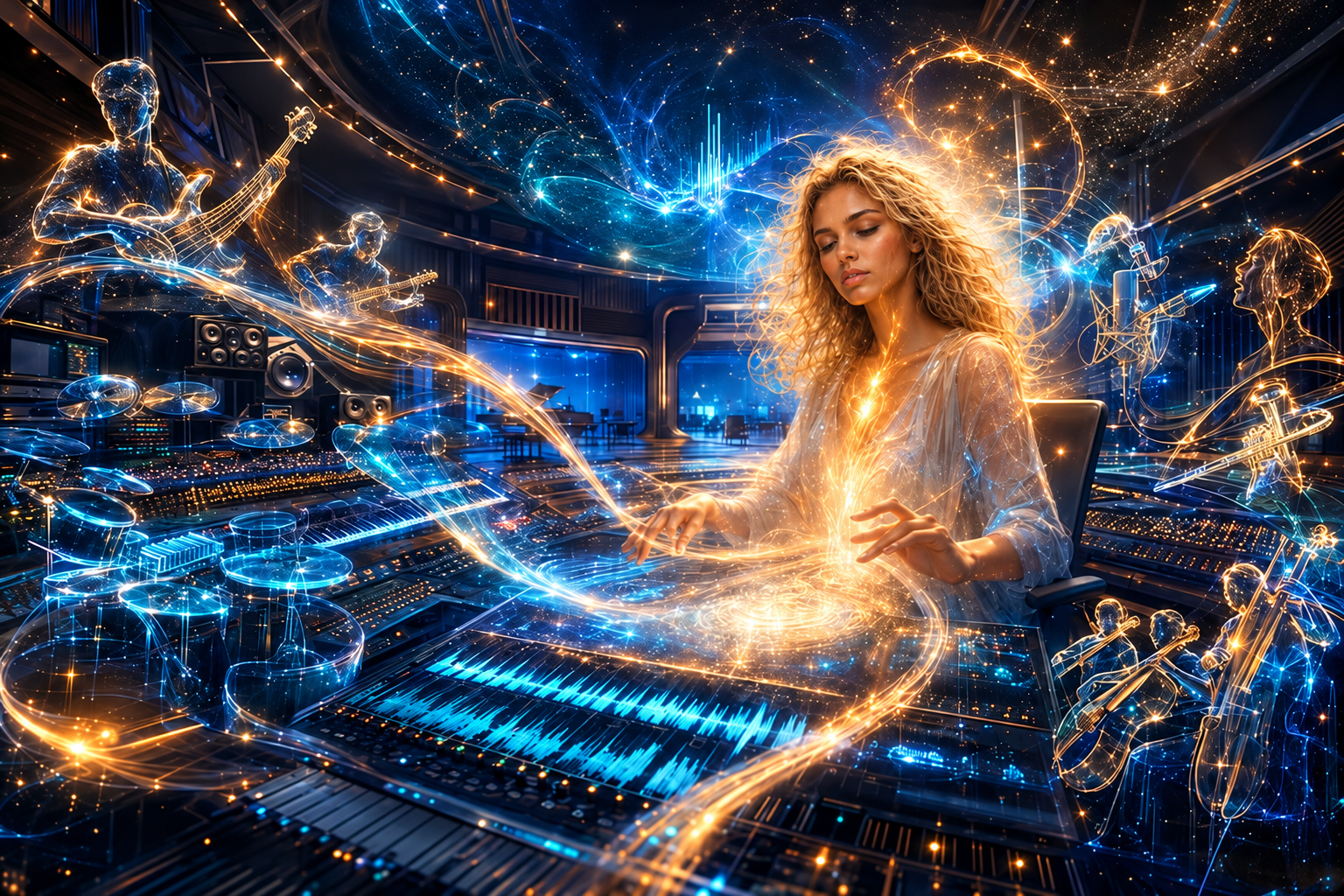
For me, one of the most important differences is that a complex traditional production may require considerable money and the coordinated work of several people to turn the music someone hears in their head into a professional recording. AI can place a significant part of that process into the hands of a single creator.
If you have a musical ear, something meaningful to say, lyrics of your own, a clear vision for the melody, mood and arrangement, and the ability to recognise when that vision has been realised successfully, you can create a professional-sounding song within a few weeks, potentially for only a few thousand or tens of thousands of Hungarian forints in direct generation costs. The time you invest, your equipment and your subscriptions are also part of the cost of creating.
A larger traditional production involving multiple collaborators and substantial studio work can cost thousands or even tens of thousands of dollars. That is a possible budget, not a minimum that applies to every song: professional recordings can also be made much more affordably in smaller studios or at home.
How Many People Can Be Involved in Producing a Professional Single?
The following professionals may all contribute to the creation of a single song:
- songwriter
- lyricist
- composer or topliner
- arranger
- music producer
- musical director
- vocal producer
- drummer
- bass player
- guitarist
- keyboard player
- percussionist
- string, wind and other session musicians
- backing vocalists
- recording engineer
- assistant engineer
- vocal editor
- sound designer
- mixing engineer
- mastering engineer
These roles are not always performed by separate people. One producer may take on several of them. A complex production may involve 8–20 creative and technical functions, but that does not automatically mean the same number of individual collaborators. A large recording may, of course, involve even more people.
In many collaborative productions, the performing artist does not personally play the drums, bass, flute, violin and every other instrument, program the synthesizers, edit the vocals, mix all the tracks and master the finished recording. Yet the song is still released under that artist’s name because they represent the artistic identity of the production.
How Much Can All of This Cost?
There is no single honest “average price,” because the difference between a home-produced independent track and a major-label pop single can be enormous. However, the costs can add up very quickly:
- a professional recording studio and engineer
- a producer and arranger
- rehearsal space
- session musicians
- a vocal producer and backing singers
- recording and editing sessions
- mixing
- mastering
- travel
- corrections and additional recording sessions
Producing a complex, professional-quality independent single can cost several thousand dollars, and that does not include the music video, cover artwork, distribution or marketing. A major-label production may cost many times more. The budget depends on the collaborators, country, studio time and chosen workflow.
How Much Technological Assistance Is Used in a Modern “Real” Recording?
The voice heard on a finished record is often not a single performance sung from beginning to end. It may be a carefully edited and idealised construction. The available tools and techniques include:
- a vocal track assembled from dozens of takes, sometimes selected syllable by syllable
- pitch correction using Auto-Tune or Melodyne
- manually reshaped beginnings and endings of notes
- correction of rhythmic inaccuracies and delays
- automatic alignment of the vocal to a timing grid
- vibrato adjustment
- formant and tone correction
- softening of excessively sharp consonants
- reduction of breaths and mouth noises
- removal of background noise and room ambience
- automatic detection and correction of unwanted resonances
- volume levelling
- compression and multiband compression
- saturation and harmonic enhancement
- artificial reverberation and spatial effects
- digital vocal doubling
- multipart harmonies created from a single voice
- artificial choirs
- alteration of pitch and vocal tone
- stretching or shortening of individual sections
- copying and repositioning words, syllables and entire lines
There Is an Extensive Toolkit on the Instrumental Side Too
- drum machines and programmed rhythms
- quantisation of inaccurate drum hits
- replacement of real drum sounds with samples
- timing correction of bass and guitar tracks
- virtual pianos, string sections, wind instruments and complete symphony orchestras
- synthesizers and virtual instruments whose parts may be played, written as MIDI notes or programmed
- guitar-amplifier simulations
- pre-produced loops and samples
- automatic stem separation
- AI-based noise reduction and audio restoration
- intelligent mixing assistants
- AI-based mastering
A modern professional studio recording can therefore be a highly edited creation. Even when the original voice still provides the raw material, what we hear in the final recording may be an idealised vocal assembled from dozens of attempts and transformed in pitch, rhythm, tone, dynamics and spatial character. It is not necessarily how the artist actually sang the song at any single moment.
The amount of processing varies between genres and productions. An excellent live or acoustic performance can stand on its own with very little editing. The list above describes available possibilities, rather than a compulsory recipe for every studio recording.
What Would Remain Without All of This?
The result could be a much rawer recording, which — depending on the performance and recording conditions — might include:
- audible pitch and timing inaccuracies
- inaccurate entrances
- uneven volume
- breaths and mouth noises
- background noise
- sparser arrangements if overdubs and virtual parts are also removed
- fewer vocal layers
- less added spatial depth
- more natural, potentially wider but less controlled dynamic contrasts
- a quieter, less dense overall sound
That would not necessarily make it bad music. A powerful performance can be deeply moving in its own right. Compared with an intensively edited, layered pop production, we would simply hear a different kind of sound. Compression and limiting also typically reduce dynamic range, so a raw recording is not automatically less dynamic.
What Does AI Change?
AI does not automatically replace talent. Pressing a button is not, by itself, an act of artistry, just as renting an expensive recording studio does not make someone a musician. For me, AI primarily removes financial and organisational barriers.
I do not need to hire a band.
I do not need to pay for weeks of rehearsal space.
I do not need to find a separate musician for every instrument.
I do not need to spend thousands of dollars on a studio, producer and audio engineers.
I do not need to depend on other people’s time, taste or availability.
I bring the idea, the message, the lyrics, the musical vision, the mood and the artistic taste. I choose from hundreds of versions, make corrections, regenerate, edit, layer and decide when the song I originally heard inside me has finally come to life.
Traditional post-production generally begins with a recorded performance, while generative AI creates new audio. That is a real technical distinction. For me, the human creator’s role is revealed in how they direct the process, what they select and the personal artistic vision they bring to life.
Is It Unfair That I No Longer Need to Be Wealthy to Do This?
I would describe it differently: talent can finally spread its wings without the size of a bank account or the organisation of an entire production team determining what is possible.
AI music is not necessarily music without a human being. To me, it offers a way for a creator to make their own world audible without having to access the infrastructure of an entire industry.
I imagined these songs. I built them from my own ideas, the melodies playing inside my head and everything I have learned over the years. I poured my thoughts, emotions, taste and the experience of an entire lifetime into them.
These songs were born within me, and AI helped me bring them to life. Without it, they might have remained inside me forever.
I am endlessly grateful that a technology like this exists: a technology that finally allows me to share with others the music I have always heard in my heart. And now, at last, I can hear it with my own ears too. 🙂
Krys Vega
Mi a valódi különbség egy hagyományos stúdiófelvétel és egy AI segítségével létrehozott dal között?
Nem az a különbség, hogy az egyik mögött emberi tehetség van, a másik mögött pedig nincs.
Az egyik legfontosabb különbség számomra az, hogy egy összetett, hagyományos produkcióban sok pénz és több ember összehangolt munkája kellhet ahhoz, hogy valaki a fejében hallott zenéből professzionális felvételt készítsen. Az AI ugyanezen munkafolyamat jelentős részét egyetlen alkotó kezébe adhatja.
Ha van zenei hallásod, mondanivalód, saját dalszöveged, elképzelésed a dallamról, a hangulatról és a hangszerelésről, valamint pontosan felismered, mikor sikerült mindezt jól megvalósítani, akkor néhány hét munkával és akár néhány ezer vagy tízezer forintnyi közvetlen generálási költséggel is létrehozhatsz egy professzionális hangzású dalt. A ráfordított idő, a használt eszközök és az előfizetések természetesen szintén részei az alkotás költségének.
Egy nagyobb, több közreműködővel és sok stúdiómunkával készülő hagyományos produkció költsége több ezer, akár több tízezer dollár is lehet. Ez lehetséges költségszint, nem minden dalra érvényes minimum: kisebb stúdióban vagy otthoni körülmények között jóval olcsóbban is születhet professzionális felvétel.
Hány ember munkája lehet egy hagyományos, professzionális single?
Egy dal elkészítésében az alábbi szakemberek vehetnek részt:
- dalszerző
- szövegíró
- zeneszerző vagy topliner
- hangszerelő
- zenei producer
- zenei rendező
- vokálproducer
- dobos
- basszusgitáros
- gitáros
- billentyűs
- ütőhangszeres
- vonós, fúvós vagy más sessionzenészek
- háttérénekesek
- hangmérnök
- segédhangmérnök
- vokálszerkesztő
- hangdesigner
- keverőmérnök
- masteringmérnök
Ezeket a feladatokat nem mindig külön emberek végzik: egy producer több szerepet is betölthet. Egy összetett produkcióban 8–20 alkotói és technikai feladatkör is megjelenhet, de ez nem jelent automatikusan ugyanennyi külön közreműködőt. Egy nagyobb felvételen természetesen ennél több ember is dolgozhat.
Sok, több közreműködővel készülő produkcióban az előadó nem maga dobol, basszusgitározik, fuvolázik, hegedül, programozza a szintetizátorokat, szerkeszti a vokált, keveri össze a sávokat és mastereli a kész felvételt. A dal mégis az ő neve alatt jelenik meg, mert ő képviseli a produkció művészi identitását.
Mennyi pénzbe kerülhet mindez?
Nincs egyetlen becsületes „átlagár”, mert egy otthon készített indie-produkció és egy nagykiadós popsingle között óriási különbség lehet. A költségek azonban gyorsan összeadódhatnak:
- professzionális stúdió hangmérnökkel
- producer és hangszerelő
- próbaterem
- sessionzenészek
- vokálproducer és háttérénekesek
- felvételi és szerkesztési napok
- keverés
- mastering
- utazás
- javítások és újrafelvételek
Egy összetettebb, professzionális minőségű független single előállítása több ezer dollárba is kerülhet, és ebben még nincs benne a videóklip, a borító, a terjesztés vagy a marketing. Egy nagykiadós produkció költsége ennek a sokszorosa is lehet. Az ár a résztvevőktől, az országtól, a stúdióidőtől és a választott munkafolyamattól függ.
Mennyi technológiai segítség van egy mai „valódi” felvételben?
A végleges lemezen hallható ének sok esetben nem egyetlen, elejétől a végéig elénekelt előadás. Lehet egy gondosan megszerkesztett és idealizált hangkép is. A rendelkezésre álló eszközök és eljárások közé tartoznak például:
- több tucat felvételből, akár szótagonként összeválogatott éneksáv
- Auto-Tune vagy Melodyne hangmagasság-javítás
- hangindítások és hangvégek kézi alakítása
- ritmikai pontatlanságok és késések kijavítása
- az ének időzítésének automatikus rácshoz igazítása
- a vibrato módosítása
- formáns- és hangszínkorrekció
- túl éles mássalhangzók tompítása
- levegővételek és szájhangok csökkentése
- háttérzaj és teremzaj eltávolítása
- rezonanciák automatikus felismerése és javítása
- hangerő-kiegyenlítés
- kompresszió és többsávos kompresszió
- szaturáció és harmonikus dúsítás
- mesterséges visszhang és tér
- digitális vokálduplázás
- egyetlen énekhangból létrehozott többszólamú harmóniák
- mesterséges kórusok
- hangmagasság- és hangszínváltoztatás
- egyes részek megnyújtása vagy lerövidítése
- szavak, szótagok és sorok másolása, illetve áthelyezése
A hangszeres oldalon is rengeteg eszköz áll rendelkezésre
- dobgépek és programozott ritmusok
- pontatlan dobütések kvantálása
- valódi dobhangok mintákra cserélése
- basszus- és gitársávok időzítésének javítása
- virtuális zongorák, vonósok, fúvósok és teljes szimfonikus zenekarok
- szintetizátorok és virtuális hangszerek, amelyek szólamait eljátszhatják, MIDI-ben megírhatják vagy programozhatják
- gitárerősítő-szimulációk
- előre elkészített loopok és hangminták
- automatikus sávszétválasztás
- AI-alapú zajcsökkentés és hangrestaurálás
- intelligens keverőasszisztensek
- AI-alapú mastering
A mai professzionális stúdiófelvétel tehát lehet erősen szerkesztett alkotás. Erős feldolgozás esetén továbbra is az előadó hangja szolgáltatja az alapanyagot, de amit a kész felvételen hallunk, az már lehet egy több tucat próbálkozásból összeépített, hangmagasságában, ritmusában, hangszínében, dinamikájában és térérzetében átalakított, idealizált hang. Nem feltétlenül az, ahogyan az előadó valójában elénekelte a dalt egy adott pillanatban.
A feldolgozás mértéke műfajonként és produkciónként változik. Egy kiváló élő vagy akusztikus felvétel kevés utómunkával is megállhat a helyén. A fenti lista lehetőségeket sorol fel, nem minden stúdiófelvétel kötelező receptjét.
Mi maradna mindezek nélkül?
Egy jóval nyersebb felvétel maradhatna, amelyben — az előadástól és a rögzítés körülményeitől függően — megjelenhetnek például:
- hallható hangmagasság- és ritmikai pontatlanságok
- pontatlan belépések
- egyenetlen hangerő
- levegővételek és szájhangok
- háttérzaj
- ritkább hangszerelés, ha a rétegezésről és virtuális szólamokról is lemondunk
- kevesebb vokálréteg
- kevesebb hozzáadott térhatás
- természetesebb, akár nagyobb, de kevésbé kontrollált hangerőkülönbségek
- halkabb, kevésbé tömör összhangzás
Ez nem feltétlenül lenne rossz zene. Egy erős előadás önmagában is megrendítő lehet. Az intenzíven szerkesztett, rétegzett popprodukciókhoz képest egyszerűen másféle hangzásvilágot hallanánk. A kompresszió és a limitálás ráadásul a dinamikatartományt jellemzően csökkenti, ezért a nyers felvétel nem automatikusan kevésbé dinamikus.
Mit változtat meg az AI?
Az AI nem helyettesíti automatikusan a tehetséget. Egy gombnyomás önmagában nem művészet, ahogyan egy drága stúdió kibérlése sem tesz valakit zenésszé. Az AI számomra elsősorban a pénzügyi és szervezési akadályokat bontja le.
Nem kell zenekart bérelnem.
Nem kell heteken át próbatermet fizetnem.
Nem kell minden hangszerhez külön zenészt találnom.
Nem kell több ezer dollárt stúdióra, producerre és hangmérnökökre költenem.
Nem kell más emberek idejétől, ízlésétől és elérhetőségétől függenem.
Én hozom a gondolatot, a mondanivalót, a dalszöveget, a zenei elképzelést, a hangulatot és az ízlést. Én választok több száz változat közül, javítok, újragenerálok, szerkesztek, rétegezek, és én döntöm el, mikor született meg az a dal, amelyet eredetileg magamban hallottam.
A hagyományos utómunka jellemzően egy rögzített előadásból indul ki, a generatív AI viszont új hanganyagot hoz létre. Ez valódi technikai különbség. Számomra az alkotó ember szerepét az mutatja meg, hogyan irányítja a folyamatot, mit választ ki, és milyen saját művészi elképzelést valósít meg.
Igazságtalanság lenne, hogy ehhez már nem kell gazdagnak lennem?
Én inkább úgy fogalmaznék: a tehetség végre szárnyalhat anélkül, hogy a pénztárcája mérete vagy egy teljes produkciós csapat megszervezése szabná meg a lehetőségeit.
Az AI-zene nem feltétlenül ember nélküli zene. Számomra olyan lehetőség, amelyben egy alkotónak már nem kell egy egész iparág infrastruktúráját igénybe vennie ahhoz, hogy hallhatóvá tegye a saját világát.
Ezeket a zenéket én találtam ki. A saját elképzeléseimből, a fejemben megszólaló dallamokból és mindabból a tudásból építettem fel őket, amelyet az évek során szereztem. Beletettem a gondolataimat, az érzéseimet, az ízlésemet és egy egész élet tapasztalatát.
Ezek a dalok bennem születtek meg, az AI pedig segített életre kelteni őket. Nélküle talán örökre bennem maradtak volna.
Végtelenül hálás vagyok a sorsnak, hogy létezik egy olyan technológia, amelynek segítségével végre megoszthatom másokkal is azt a zenét, amelyet mindig a szívemben hallottam. Most pedig végre a fülemmel is hallhatom. 🙂
Krys Vega